
Why public talk about credit in Nigeria keeps swinging between outrage and shame, and what a better conversation looks like.
Published
22 June 2026
Written by
Princess
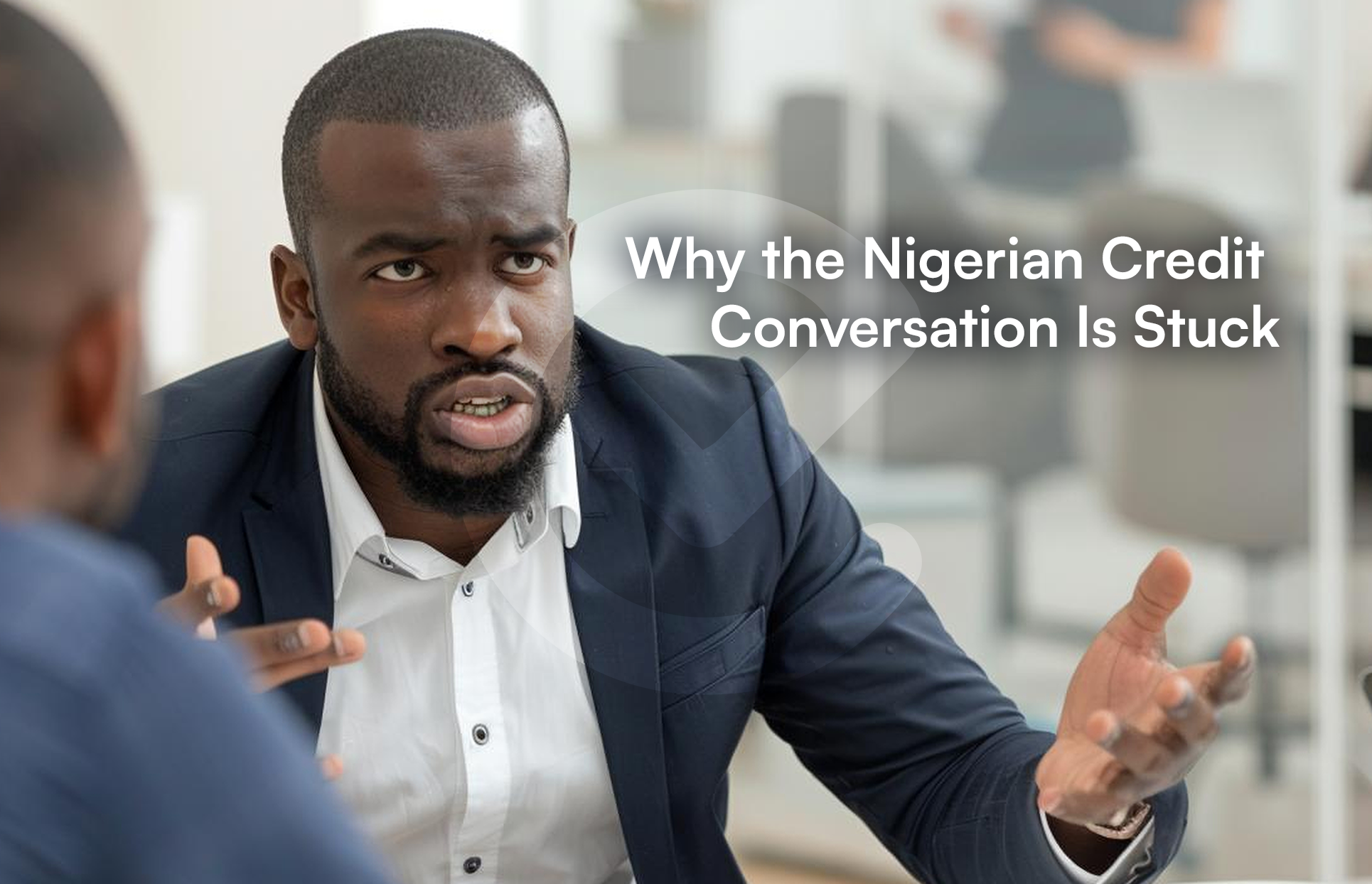
The Nigerian credit conversation is stuck because it keeps swinging between two extremes: outrage about bad lending and shame about borrowing. Neither extreme helps people understand credit as a tool that can be useful, risky, or badly designed depending on how it is used.
A better conversation would focus on transparency, fairness, and real borrower needs.
The two extremes
On one side, credit is often discussed only when something goes wrong. People talk about high charges, poor experiences, aggressive repayment, or products that seem designed to trap borrowers. Those concerns are real and important.
On the other side, borrowers are often shamed for needing credit at all. The tone becomes “why didn’t you just save?” or “why borrow in the first place?” That kind of reaction ignores the reality that many Nigerians use credit to manage timing gaps, emergencies, and business needs.
Both sides miss something important. Credit itself is not the problem. The real issue is how it is structured, explained, and used.
Why the current conversation is limited
The conversation stays stuck because it usually focuses on outcomes instead of systems. People talk about a bad loan story or a disappointing borrower experience, but they do not always ask deeper questions about product design, affordability, or borrower education.
That means the same arguments repeat. One group says lending is predatory. Another says borrowers are irresponsible. Very little time is spent discussing whether the product terms are clear, whether repayment is realistic, or whether the borrower was given enough information to make a good decision.
When the conversation stays at that level, nobody learns much. The result is noise, not progress.
Credit is a tool, not a moral test
One reason the discussion goes wrong is that borrowing is often treated like a moral failure. In reality, credit is a financial tool. It can help people bridge gaps, support business activity, and handle urgent needs.
The important question is not whether someone borrowed. It is why they borrowed, what terms they accepted, and whether the loan helped or harmed their situation. That is a more useful way to think about it.
When credit becomes a moral debate, people stop asking practical questions. They become more interested in blame than in better outcomes.
Why people really borrow
A more honest credit conversation starts by recognising that people borrow for different reasons. Some borrow to cover emergencies. Some borrow to support business operations. Some borrow to smooth cash flow when income is delayed. Some borrow to pay for essential needs they could not fully plan for.
These are not unusual behaviours. They are normal responses to financial pressure. A useful credit system should understand that reality instead of pretending it does not exist.
If we want a smarter conversation, we have to start from actual borrower behaviour, not idealised financial advice.
What a better conversation would sound like
A healthier conversation about credit in Nigeria would ask better questions:
Are the terms clear?
Is the repayment realistic?
Is the borrower being assessed fairly?
Does the loan fit the borrower’s situation?
Is the product being used for the right purpose?
These questions are more productive because they focus on the relationship between lender, borrower, and product. They move the conversation away from blame and toward design.
They also help borrowers think more carefully. If people understand what to look out for, they can make better decisions before they borrow.
Why education matters
Borrower education is a major part of the problem. Many people still do not fully understand fees, repayment structure, loan purpose, or how short-term borrowing affects long-term cash flow. When that knowledge is weak, the risk of bad decisions rises.
But education is not only for borrowers. Lenders also need to communicate more clearly. If loan products are difficult to understand, people will make mistakes even when they are trying to be careful.
A better credit culture is built when both sides communicate clearly. That is how trust grows.
Moving beyond shame and outrage
If Nigeria wants a healthier credit ecosystem, the conversation has to mature. It cannot stay trapped between “all lenders are bad” and “all borrowers are careless.” Real life is more complicated than that.
Some credit products are poorly designed. Some borrowers make poor choices. Some lending models are very helpful. Some are not. The task is to tell the difference and build better systems around it.
That means more honesty, more clarity, and less noise.
Final thoughts
The Nigerian credit conversation is stuck because it is often emotional but not always useful. It focuses on who to blame instead of what needs to improve.
A better conversation would treat credit as a practical tool, demand clearer products, and take borrower education seriously. That is how the conversation can become more useful for everyone involved.
Support a smarter credit culture built on clarity, fairness, and real borrower needs. Explore EazyCredit’s resources and learn how responsible borrowing can work better for you.
Never miss an update
Subscribe to Our Newsletter
Weekly financial insights, credit tips, and market updates delivered straight to your inbox.
Subscribe free