
A mid-year look at lending changes in Nigeria in 2026 and how they affect everyday borrowers and small businesses.
Published
22 June 2026
Written by
Princess
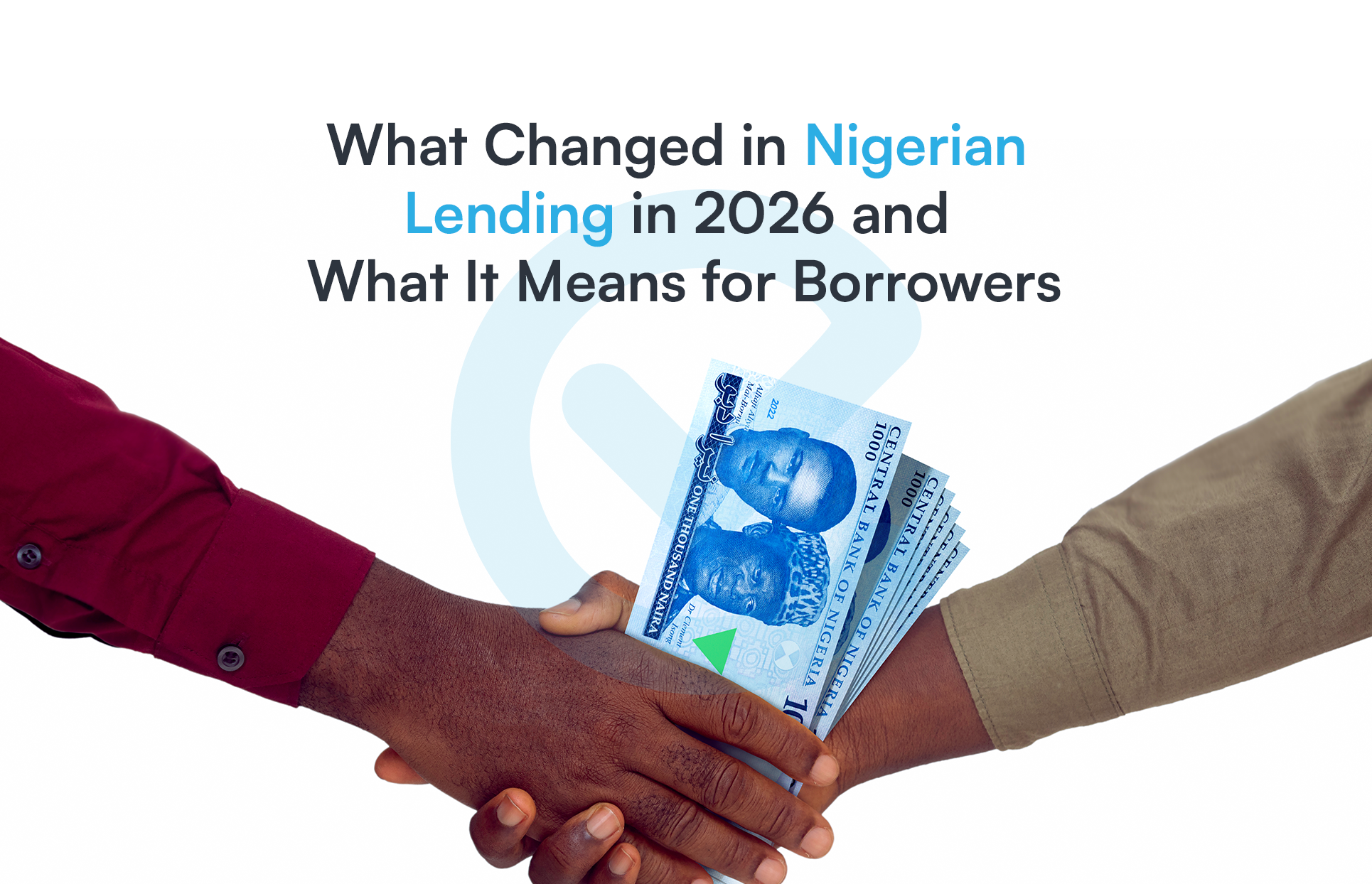
Nigerian lending in 2026 is increasingly shaped by clearer product expectations, stronger digital assessment, and more attention on borrower transparency. For everyday borrowers and small businesses, that means the market is becoming more structured, more selective, and more data-driven.
The big shift is simple: borrowers now need more clarity, better records, and more intentional borrowing habits.
More transparency is now expected
One of the clearest changes in lending is the pressure for better communication around loan terms. Borrowers are paying closer attention to fees, repayment periods, and the real cost of credit. That means lenders can no longer rely on vague product descriptions or hidden assumptions.
This is a healthy shift for the market. When terms are clearer, borrowers can make better decisions and avoid unpleasant surprises later. It also pushes lenders to design products that are easier to understand and easier to trust.
For borrowers, this means reading the details more carefully than before. The days of treating every loan like a quick fix are fading.
Digital assessment is becoming more important
Another change is the growing use of digital signals in loan review. As lending becomes more technology-led, lenders are able to process applications faster and assess risk with more structure. But that also means the quality of the information provided matters even more.
Clean application data, consistent contact details, stable income signals, and clear loan purposes all help. If the information is messy or incomplete, the review process can slow down or become less favourable.
For borrowers, this is a reminder that the application itself is part of the credit decision. Accuracy now matters as much as intent.
Borrowers are expected to be better prepared
In 2026, borrowers who prepare well are in a stronger position. That means knowing why you need the loan, how much you actually need, and how repayment will fit into your cash flow. Guesswork is becoming a weaker strategy.
Lenders are also paying more attention to whether the loan request makes sense in context. A borrower who can explain the purpose clearly and show how the funds will be used is easier to assess than one with a vague request.
This applies to both personal and business borrowers. The better you understand your own money situation, the easier it is to borrow responsibly.
SMEs need to pay closer attention
For small business owners, lending changes in 2026 matter a lot. Products tied to working capital, invoice financing, salary support, and business cash flow are becoming more relevant because they match real business needs more closely.
That is good news, but it also means SMEs need stronger records. If you want access to better financing, your numbers need to make sense. Know your turnover, your costs, your receivables, and your repayment capacity.
The more clearly your business story is backed by actual data, the easier it is to access useful credit.
More structure, more scrutiny, more opportunity
The lending market is becoming more disciplined. That can feel harder at first because approvals may depend more on information quality and borrowing behaviour. But it also creates better opportunities for responsible borrowers.
If loan products are clearer and assessment is more structured, borrowers who prepare well can benefit. You are less likely to be caught off guard by terms you did not understand, and more likely to access credit that matches your needs.
That means 2026 is not just about tougher borrowing. It is also about better borrowing, if you are ready for it.
What borrowers should do now
To stay ahead in this environment, borrowers should focus on a few basics:
Keep personal and business records in order.
Borrow only for clear purposes.
Match loan size to repayment capacity.
Read terms carefully before accepting any offer.
Treat credit as part of a broader financial plan, not a panic response.
These habits help you stay in control even as the market changes around you. They also make it easier to build trust with lenders over time.
Final thoughts
What has changed in Nigerian lending in 2026 is not just the technology or the product mix. It is the expectation that borrowers will be more informed, more organised, and more deliberate.
That can be a good thing. A more transparent and structured lending market gives serious borrowers a better chance to get the right support at the right time.
Stay ahead of lending changes by borrowing with better information, cleaner records, and clearer goals. Explore EazyCredit’s loan options and choose what fits your needs.
Never miss an update
Subscribe to Our Newsletter
Weekly financial insights, credit tips, and market updates delivered straight to your inbox.
Subscribe free