Financial Access in Nigeria: Why Having Money Isn't the Same as Having Options
Published
24 August 2026
Written by
Princess
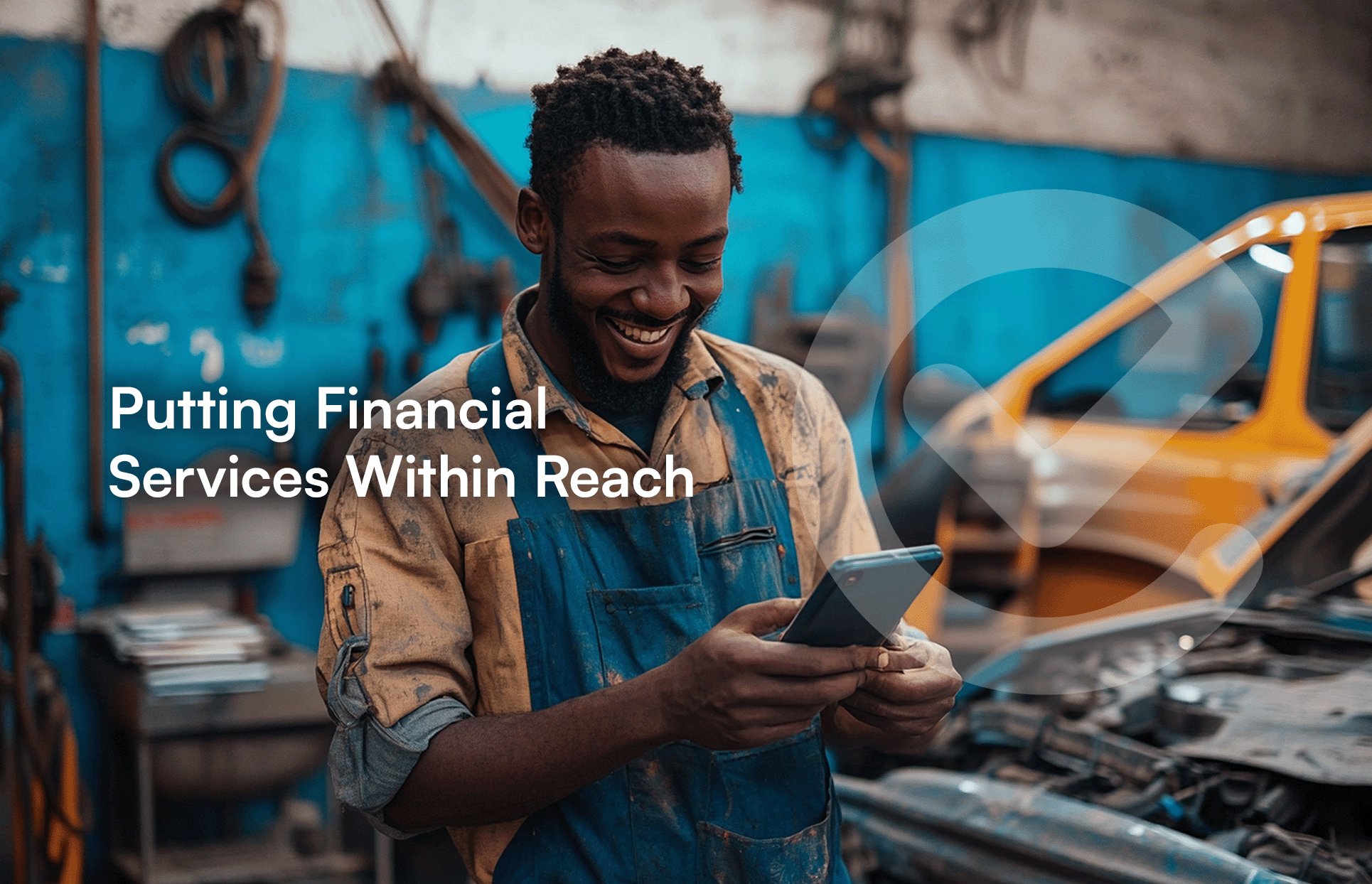
Ayo works as an apprentice mechanic at a workshop in Lagos. He doesn't earn a fixed salary at the end of every month. He gets paid based on the jobs he works on. Some weeks are busy and he makes decent money. Other weeks, there may not be enough work to bring in much at all.
Ayo earns an income, but there isn't much formal evidence of it. He doesn't have a payslip or a traditional employment record. The money he earns from different jobs may also not show up in a way that clearly tells a lender how much he makes or how consistently he earns.
When he needs money to buy better tools, take on a bigger job, or handle an unexpected expense, getting credit can become difficult. He may be earning and managing his money responsibly, but he has little financial history that reflects how he actually earns.
Over time, this creates a problem. Without a reliable record of his income and financial behaviour, Ayo has fewer opportunities to build a sustainable credit history. And without that history, getting access to better financial products can remain difficult even as his income and skills improve.
For people like Ayo, the problem is often not whether they earn money. It is whether the financial system can see enough of that activity to understand their ability to manage and repay credit.
Two Different Problems
A lot of people assume financial exclusion is mainly about poverty. It isn't always that simple. Someone can be earning real money every week and still struggle to save, move that money around, or qualify for the financial products they need.
Part of the problem is how income is documented and assessed. A regular salary paid into one account is relatively easy to understand. Someone like Ayo, who works as an apprentice mechanic and gets paid based on the jobs he works on, has a different financial pattern. His income can change from week to week, and there may be no payslip or formal record that captures what he actually earns.
The same applies to people who earn from different customers, take on freelance work, run small businesses, or have income that changes with demand. They may be earning consistently in their own way, but that activity doesn't always translate into the kind of financial history a traditional institution can easily assess.
That makes financial visibility part of the problem. Digital tools can help by making more of a person's everyday financial activity easier to track and manage.
What Access Actually Means
“Access” gets thrown around loosely. A financial product existing somewhere in the market doesn't mean everyone who needs it can use it easily.
For someone like Ayo, access could mean being able to receive and move money without unnecessary friction, pay bills, keep track of his spending, and, where he qualifies, access financing that fits his financial situation.
Having a bank account doesn't automatically provide that. Someone can have an account and barely use it because the service doesn't fit how they earn or manage money.
The difference comes down to whether financial services can work around the reality of how people actually manage their money, rather than assuming everyone earns and spends in the same way.
Why Digital Channels Change the Picture
Smartphones have made it possible to bring more financial services directly to people without requiring them to rely on a branch for every transaction. Transfers, bill payments and other everyday services can happen from the same device people already use throughout the day.
That is part of the gap EazyCredit was built to address. The idea is straightforward: make everyday financial services easier to access from one place.
Signing up is designed to be quick, so opening an account or getting started with everyday transactions doesn't have to feel like a long administrative process. That doesn't mean every service is automatically available to every customer. Individual products still have their own eligibility requirements.
Once someone is using the platform, transfers, bill payments, airtime and data purchases can all happen in one place instead of being spread across different apps, agents or other channels.
For someone like Ayo, having more of his financial activity in one place can also make it easier to understand how money is coming in and going out over time.
Bringing It Back to Ayo
If Ayo's earnings and everyday transactions are recorded consistently, his financial activity becomes easier for him to understand and manage. Over time, that history can also provide a clearer picture of how he handles his money.
The important part is not pretending that irregular income suddenly becomes a salary. Ayo still gets paid according to the jobs he works on. What changes is the visibility around that activity.
Financial access should work for the way people actually earn and manage money. For millions of people with irregular or informal incomes, that means building services around their financial behaviour rather than expecting their lives to fit a traditional model.
Explore EazyCredit to see how everyday financial services can be brought together in one place.
Ready to apply?
Get a Loan in Minutes
Fast approval, transparent rates, no hidden fees. Fill out our simple form and get funded today.
Apply now