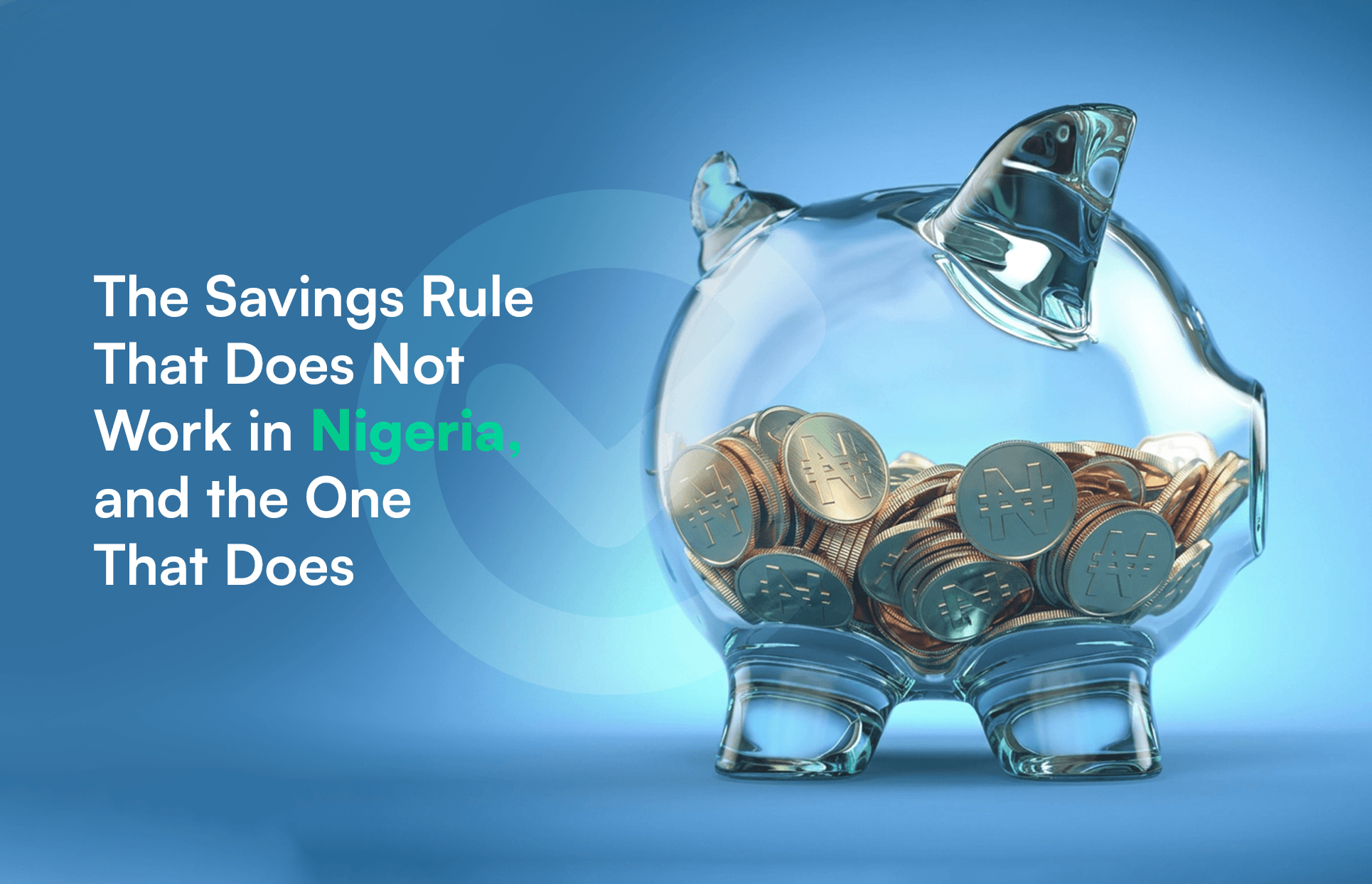
Three money conversations Nigerians should have before 30 to avoid costly mistakes and build a stronger financial future.
Published
22 June 2026
Written by
Princess

Your twenties can shape your financial life for years to come. The money decisions you make before 30 often become habits, and those habits can either support you later or quietly hold you back.
The good news is that the most important financial conversations are not complicated. They are simple, practical, and worth having early.
1. Can my income support my lifestyle?
This is the first conversation because it is the one many people avoid. As income starts to grow, lifestyle usually grows with it. You begin to spend a little more on transport, data, food, outings, clothes, gadgets, and convenience. That may feel harmless at first, but it can quietly create pressure.
The real question is whether your earnings can keep up with your spending. If every raise disappears into a bigger lifestyle, you are not gaining ground. You are just moving faster on the same treadmill.
Before 30, it helps to know the difference between what you can afford and what you are simply used to. That distinction becomes very important when rent, family responsibilities, and future plans begin to compete for the same income.
2. What kind of debt am I taking on?
The second conversation is about debt. Many young adults borrow without fully thinking through the consequences. Some loans are useful. Others create long-term stress.
Borrowing becomes risky when it is used to cover repeated spending gaps without a repayment plan. That kind of debt can quickly turn into a cycle. You borrow to solve one problem, then borrow again to solve the next one.
A better approach is to ask what the loan is doing for you. Is it helping you handle an emergency, support business activity, or bridge a temporary timing issue? Or is it covering habits you have not yet controlled? Before 30, learning to answer that honestly can save you a lot of pain later.
3. What am I building for the future?
The third conversation is about stability. It is easy to focus only on the present when you are younger, but the habits you build now will follow you. Savings, emergency planning, and financial discipline all become more important as life gets more complex.
This conversation is not only about long-term goals like buying a house or starting a business. It is also about creating room to breathe when life surprises you. That may mean keeping an emergency buffer, setting aside money regularly, or avoiding financial commitments that leave you with no margin.
Before 30, you do not need to have everything figured out. But you do need to start building something that will still help you at 35, 40, and beyond.
Why these conversations matter
These three topics matter because they touch almost every money decision you will make. Income and lifestyle affect your spending. Debt affects your freedom. Savings and planning affect your resilience.
If you avoid these conversations, money can start making choices for you. If you face them early, you can make better decisions with more confidence.
Many financial mistakes in your twenties are not dramatic. They are small and repeated. A lifestyle that grows too quickly. A loan taken without clarity. A savings habit that never starts. Over time, those small decisions become expensive.
A simple way to start
You do not need a finance degree to begin. Start by reviewing your last three months of spending. Ask yourself:
What am I spending on without thinking?
What debts do I already have?
What am I doing to prepare for future expenses?
Then have honest conversations with yourself, your partner if relevant, or trusted friends who take money seriously. The goal is not to pressure yourself. The goal is to become more aware.
When you understand your money better, you can use it better. That is what these conversations are really about.
Final thoughts
Your twenties are a good time to make mistakes, but they are an even better time to make corrections. The earlier you think clearly about income, debt, and future stability, the easier life becomes later.
The right conversations now can save you from costly lessons later.
Build better money habits before the pressure gets heavier. If you need support managing short-term cash flow while you work on your financial plan, EazyCredit is here to help.
Never miss an update
Subscribe to Our Newsletter
Weekly financial insights, credit tips, and market updates delivered straight to your inbox.
Subscribe free