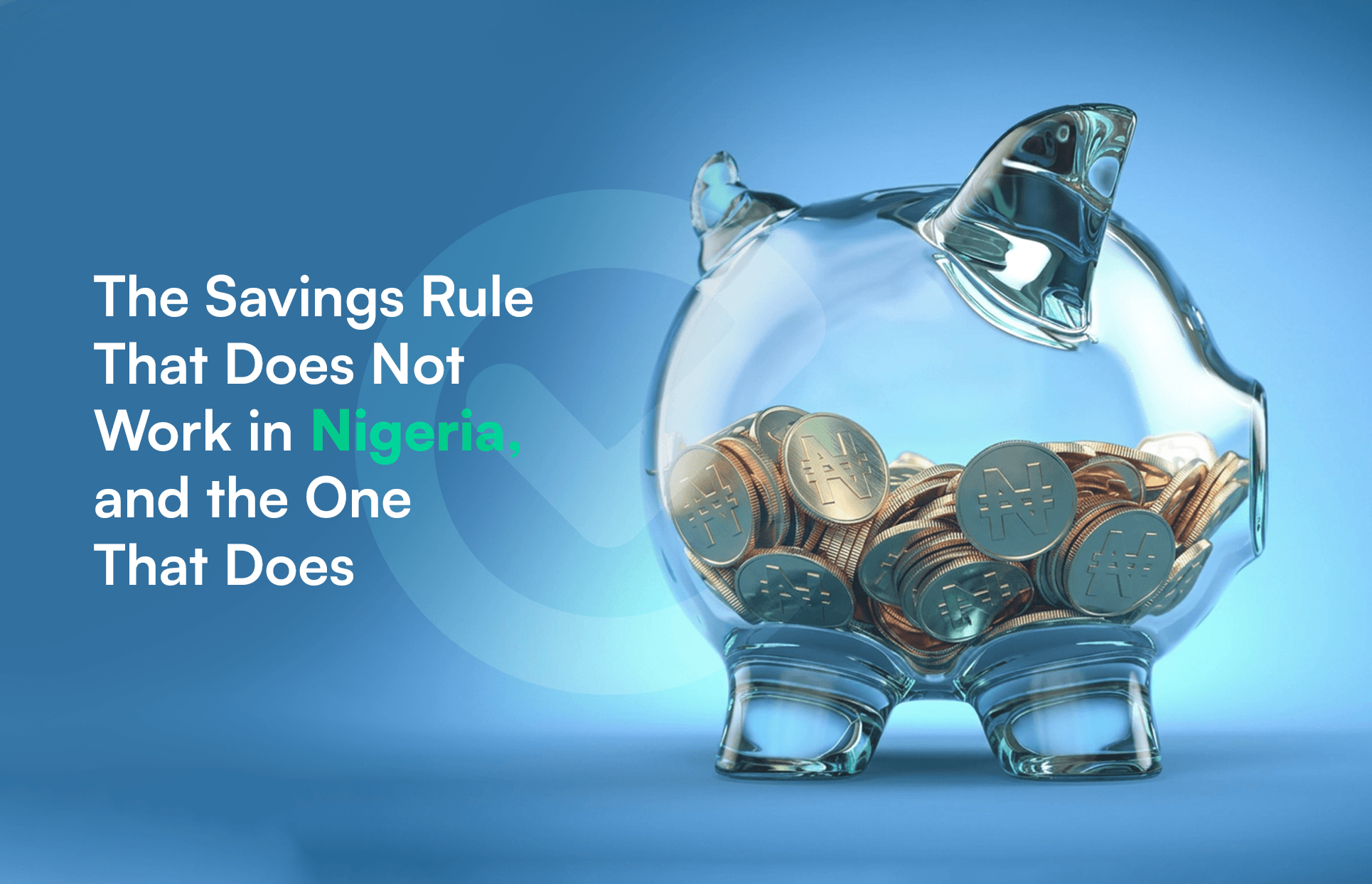
Learn what financial literacy really means in Nigeria and how inflation changes the way you save, borrow, and spend.
Published
22 June 2026
Written by
Princess

Financial literacy in Nigeria is not just about knowing how to budget or save money. In a high-inflation economy, it also means understanding how quickly money can lose value, how to protect your cash flow, and how to make better decisions under pressure.
That changes the whole conversation. Good money advice in a stable country may not work the same way here.
Why inflation changes the rules
In a low-inflation environment, money you keep aside can hold its value reasonably well for a while. In Nigeria, rising prices can reduce what your money can buy in a short time. That means timing matters more, and waiting too long to act can cost you.
For example, if you postpone a necessary purchase for months, the item may cost more later. On the other hand, if you spend too quickly without planning, you may run out of funds before the month ends. Financial literacy in this context is about balance, not extremes.
It means learning how to make decisions with changing conditions in mind. That includes when to hold money, when to spend it, and when to use credit carefully.
Financial literacy is more than saving
A lot of people think financial literacy means simply saving money. Saving is important, but it is only one part of the picture. In a high-inflation economy, you also need to understand budgeting, debt, income timing, and spending discipline.
You need to know:
What your money is for.
How long it needs to last.
Which expenses are essential.
Which debts are helpful and which ones are dangerous.
How to protect yourself when prices rise.
Without that broader understanding, saving alone may not be enough. You could save consistently and still struggle if your spending habits, borrowing habits, or cash flow are not under control.
Why timing matters so much
One of the most important lessons in a high-inflation economy is that timing has real financial value. Delaying a payment, a purchase, or a savings decision can change the outcome. Sometimes that works against you. Sometimes it helps you. The key is knowing the difference.
For instance, if an essential business input is likely to rise in price soon, waiting may hurt you. But if a purchase is not urgent, rushing into it may weaken your cash position. Financial literacy helps you make those calls more deliberately.
This is why people who understand money well are often not just careful. They are strategic. They understand that time affects value.
Debt has to be understood differently too
In a stable economy, people often think about debt as something to avoid or something to use sparingly. In Nigeria, debt can sometimes be a useful tool for managing timing gaps, especially when income and expenses do not line up neatly.
That does not mean borrowing is always wise. It means debt should be assessed in context. A loan can be helpful if it supports business activity, helps you handle an urgent need, or bridges a temporary gap. But if it is covering the same spending problem over and over, then the debt itself becomes part of the problem.
Financial literacy means knowing the difference between productive debt and harmful debt. It means asking whether borrowing will improve your position or only delay stress.
Income awareness matters
Another part of financial literacy is understanding how your income behaves. If your income is irregular, seasonal, or tied to sales, you cannot manage money the same way as someone with a fixed monthly salary. Your budget has to reflect the way money actually comes in.
This is why some people feel broke even when they earn decently. Their money arrives, but their spending pattern does not match the rhythm of their income. Financial literacy helps you manage that mismatch.
It may mean keeping a buffer, separating business and personal funds, or planning for low-income weeks before they happen. The more clearly you understand your income flow, the easier it is to stay in control.
Practical financial literacy habits
You do not need to be an expert to become more financially literate. You need habits that help you see money more clearly and use it more wisely.
Start with these:
Track your spending for at least one month.
Separate essential expenses from optional ones.
Keep a simple budget that reflects real life.
Save a small buffer, even if it is not large.
Borrow only when there is a clear purpose and repayment plan.
Review your money decisions regularly.
These habits sound basic, but they are powerful when used consistently. Financial literacy is built through repetition, not theory alone.
Why this matters for everyday Nigerians
For most Nigerians, money is not just about comfort. It is about stability. It is about staying ahead of emergencies, managing family responsibilities, and making it through the month with less stress.
That is why financial literacy in Nigeria must be practical. It has to help people live better in the economy they actually have, not the one they wish they had. The more relevant the advice, the more useful it becomes.
If people understand how inflation affects their decisions, they can plan better, borrow better, save better, and spend with more confidence. That is the real value of financial literacy.
Final thoughts
Financial literacy in a high-inflation country means learning how money behaves when prices keep moving. It is not only about saving. It is about making smarter decisions about timing, debt, spending, and income.
When you understand those basics, you are better prepared to protect your money and reduce avoidable stress.
Build stronger money habits with practical financial guidance that fits Nigerian reality. If you need a short-term financial bridge while you improve your planning, EazyCredit is here to help.
Ready to apply?
Get a Loan in Minutes
Fast approval, transparent rates, no hidden fees. Fill out our simple form and get funded today.
Apply now